Signed in as:
filler@godaddy.com
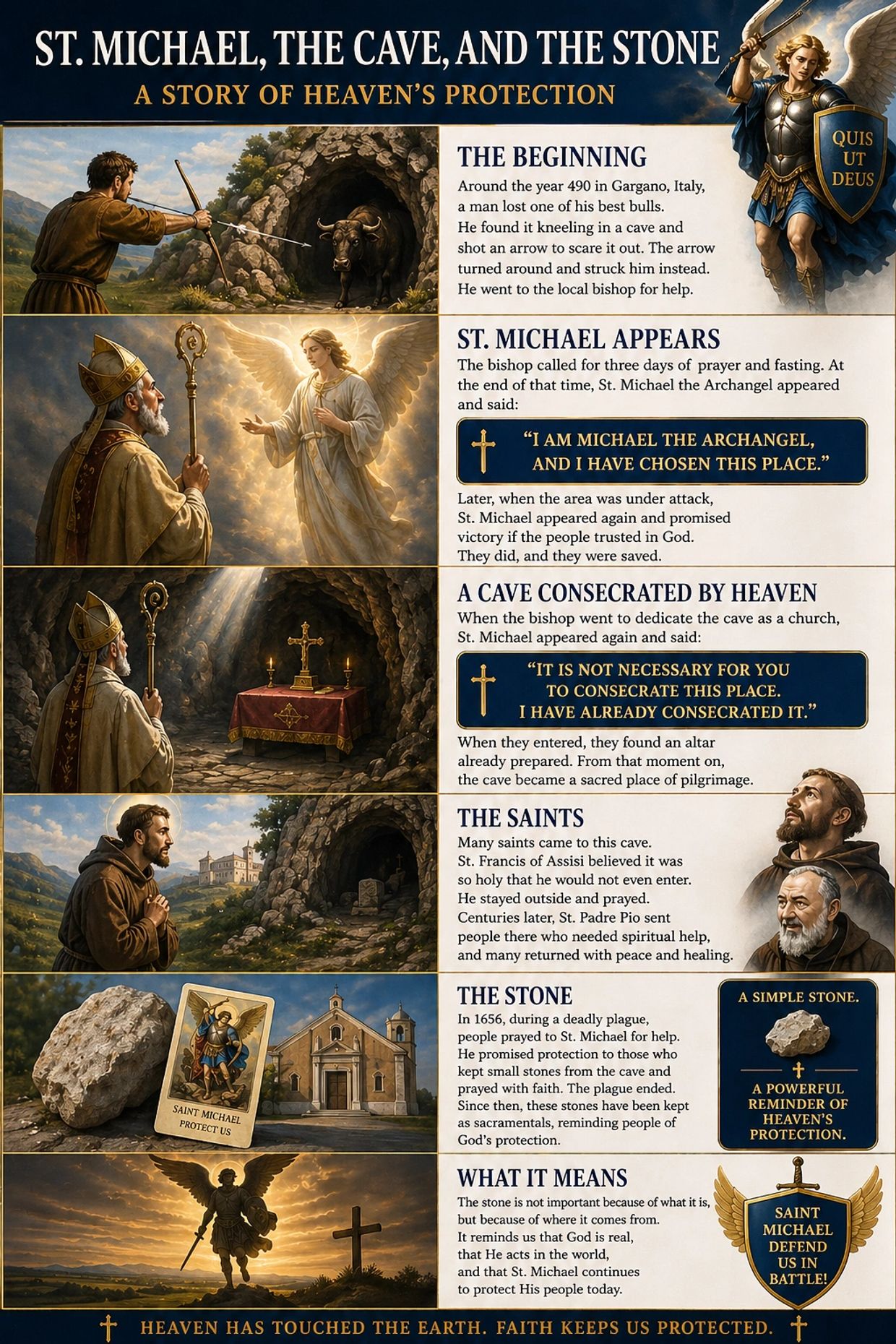
What makes this story so powerful is not just that St. Michael appeared, but also that his role remains consistent over time: protector, guide, and defender in both physical and spiritual battles. In Gargano, he does not simply mark a holy place—he claims it. Unlike every other church, the cave was not consecrated by a bishop, but by an archangel, reinforcing the idea that God sometimes acts directly in the world without human initiation. That alone places this site in a unique category within Christian history.
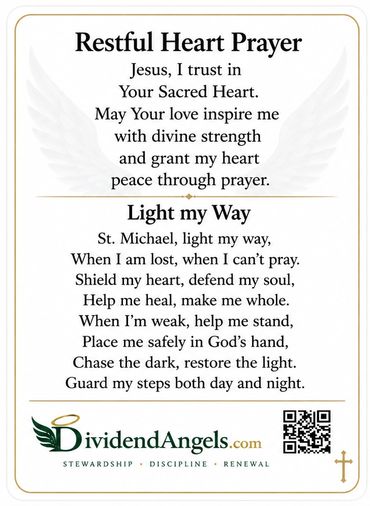
The story of the arrow turning back is also more than a miracle—it is a moment of correction. It shows that what man approaches with force or control, God can redirect toward humility and surrender. This connects deeply to the prayer, “when I am lost… when I can’t pray,” because the story itself begins with confusion, frustration, and not understanding what God is doing.
St. Michael’s words and actions throughout the events reveal a pattern: he responds when people pray, fast, and turn back to God. The three days of prayer before each major intervention are not accidental. They reflect a spiritual principle seen throughout Scripture—preparation, repentance, and trust open the door for divine help. This ties directly to “help me stand” and “place me safely in God’s hands,” because the victories that followed were not earned by strength, but by reliance on God.
St. Francis’ decision not to enter the cave adds a level of depth many overlook. It is not just humility—it is recognition. He understood something rare: that holiness is not casual. In a world where people often seek spiritual experiences, Francis shows reverence instead. His response reflects the line “shield my heart,” because he guards himself even from approaching something too sacred without proper disposition.
Padre Pio’s connection brings the story into the modern spiritual battle. He did not treat the cave as history, but as a living place of grace. When he sent people there for healing, especially those struggling spiritually, he was affirming that St. Michael’s role in defending souls is ongoing. This directly echoes “defend my soul” and “chase the dark,” showing that the fight against evil is not symbolic—it is real and present.
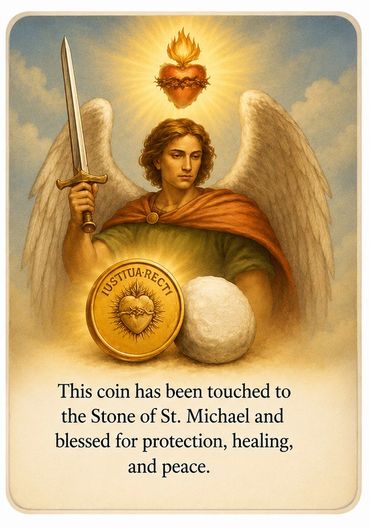
The stone itself is often misunderstood. It is not powerful on its own, and St. Michael never promised it would drive out demons. Its original purpose was tied to protection during a plague. But over time, its meaning deepened because of what it represents: contact with a place where heaven intervened. This aligns with “restore the light,” because the stone becomes a physical reminder that God has already acted and continues to act.
Finally, the entire story reinforces a simple but profound truth: God does not abandon His people in moments of fear, weakness, or darkness. Whether through a battlefield, a plague, or an interior struggle, St. Michael appears as a sign that help is real. That is why the prayer resonates so strongly—it captures the same themes lived out in the story: guidance when lost, strength when weak, protection in danger, and light in darkness.
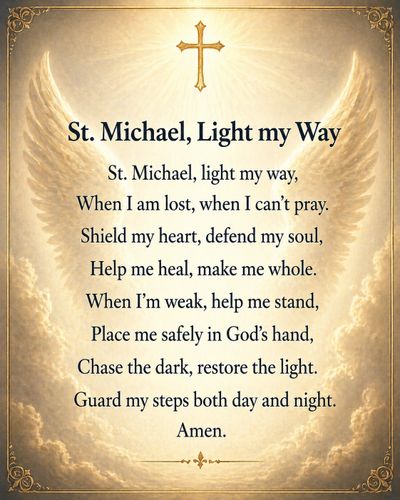
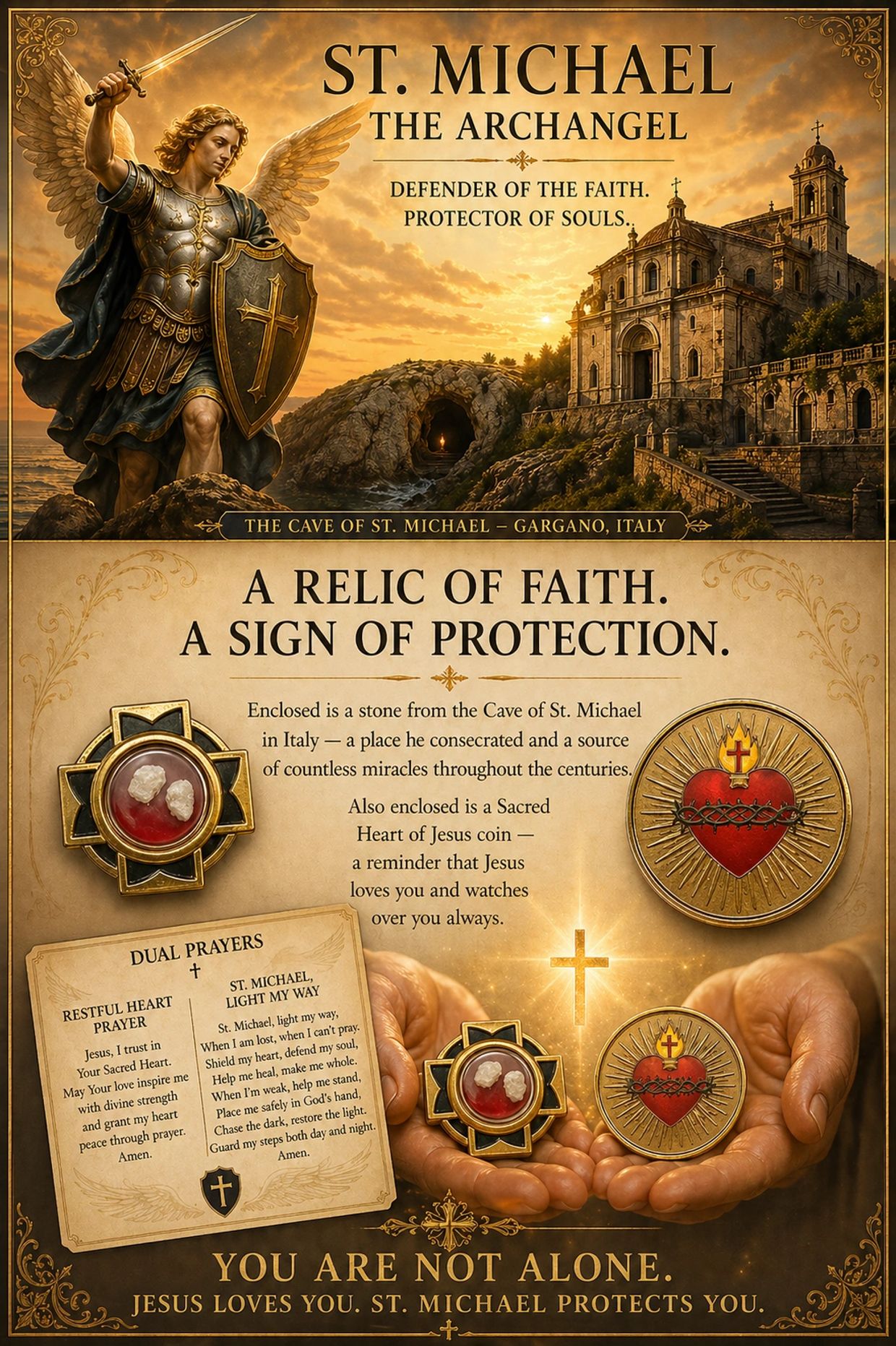
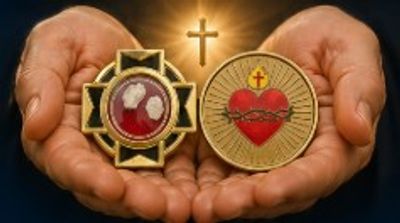
This prayer is more than words—it is a connection to the love and protection of Jesus and the powerful intercession of St. Michael. As you hold the coin and the relic, you are reminded that just as St. Michael has defended and guided others for centuries, he stands with you now—in your battles, in your fears, and in every step of your journey. These coins are shared especially with those who are struggling—those in recovery, those facing hardship, those living on the margins—to remind them that they are not alone. They are seen, they are protected, and they are deeply loved.